By: Thomas Abidoye
Presidential elections shape nations and spark debates. Some elections stand out due to fraud, violence, or shocking results.
In this report, let’s explore the 10 most controversial presidential elections in the world.
These events changed history and raised questions about democracy.
- United States – 2000 (George W. Bush vs. Al Gore)
The 2000 U.S. election was a mess. George W. Bush faced Al Gore in a tight race. Florida’s votes decided the winner. Problems with punch-card ballots caused confusion. Some votes weren’t counted due to “hanging chads.”
Gore won the popular vote by over 500,000. But Bush won the Electoral College after a Supreme Court ruling stopped a recount. Many called it unfair. This election led to big changes in U.S. voting systems.
United States – 1876 (Rutherford B. Hayes vs. Samuel Tilden)
In 1876, Rutherford B. Hayes and Samuel Tilden fought for the U.S. presidency. Tilden won the popular vote by 250,000. He was one electoral vote short of victory.
Fraud claims hit Florida, Louisiana, and South Carolina.
A special commission gave all disputed votes to Hayes. He won by one electoral vote. Democrats were furious. Some say this deal ended Reconstruction in the South.
Mexico – 2006 (Felipe Calderón vs. Andrés Manuel López Obrador)
Mexico’s 2006 election was tense. Felipe Calderón beat Andrés Manuel López Obrador by less than 1%. López Obrador claimed fraud. He said votes were stolen. Protests filled the streets for months.
Recounts happened, but Calderón stayed the winner. Many Mexicans lost trust in elections. This controversy still echoes in Mexican politics today.
Iran – 2009 (Mahmoud Ahmadinejad vs. Mir-Hossein Mousavi)
Iran’s 2009 election sparked chaos. Mahmoud Ahmadinejad won against Mir-Hossein Mousavi. Official results gave Ahmadinejad a huge lead. Mousavi’s supporters cried fraud. They pointed to odd vote counts.
Protests erupted, called the Green Movement. The government cracked down hard. Dozens died. The world watched as Iran’s election turned violent.
Kenya – 2007 (Mwai Kibaki vs. Raila Odinga)
Kenya’s 2007 election was a disaster. Mwai Kibaki faced Raila Odinga. Early results showed Odinga ahead. Then, delays hit the vote count. Kibaki was declared the winner.
Odinga’s team alleged rigging. Violence broke out across the country. Over 1,000 people died. Tribes clashed for weeks. A power-sharing deal finally stopped the fighting.
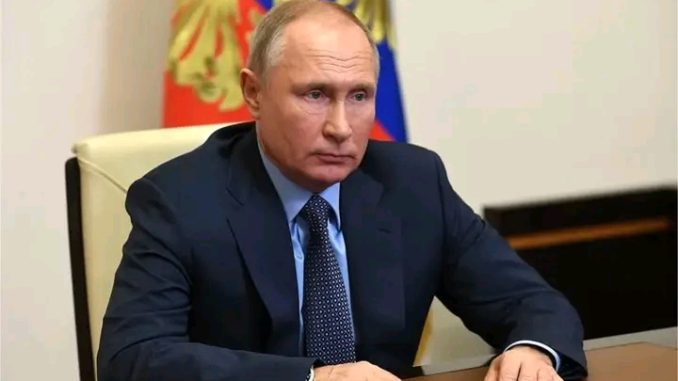
Russia – 2012 (Vladimir Putin vs. Opposition Candidates)
Vladimir Putin’s 2012 win in Russia raised eyebrows. He faced weak opponents. Official results gave him 63% of the vote. Critics said ballots were stuffed.
Videos showed election fraud. Protests spread in Moscow. Putin stayed in power. Many called it a sham. This election tightened his grip on Russia.
Ukraine – 2004 (Viktor Yanukovych vs. Viktor Yushchenko)
Ukraine’s 2004 election was wild. Viktor Yanukovych was named the winner over Viktor Yushchenko. Fraud claims exploded. Yushchenko’s face was poisoned during the campaign.
Protests, called the Orange Revolution, filled the streets. A new vote was ordered. Yushchenko won the redo. This election split Ukraine and shook its politics.
Philippines – 1986 (Ferdinand Marcos vs. Corazon Aquino)
In 1986, Ferdinand Marcos ran against Corazon Aquino in the Philippines. Marcos claimed victory. But evidence showed massive cheating.
Vote counts didn’t match. Aquino’s supporters protested. The People Power Revolution followed. Marcos fled the country. Aquino became president. This election ended a dictatorship.
Venezuela – 2018 (Nicolás Maduro vs. Henri Falcón)
Venezuela’s 2018 election was a hot topic. Nicolás Maduro won with 67% of the vote. Henri Falcón challenged him. Many opposition leaders were banned or boycotted.
Fraud reports surfaced. Turnout was low. The U.S. and others rejected the result. Maduro stayed in power. This deepened Venezuela’s crisis.
Zimbabwe – 2008 (Robert Mugabe vs. Morgan Tsvangirai)
Zimbabwe’s 2008 election was brutal. Robert Mugabe faced Morgan Tsvangirai. Tsvangirai won the first round. Violence against his supporters followed.
Over 200 died. Tsvangirai quit the runoff. Mugabe won unopposed. The world condemned it. A unity government formed later. This election stained Zimbabwe’s history.
Why These Elections Matter
These elections show how power can twist democracy. Fraud, violence, and protests marked each one. They affected millions of lives. Some led to reforms. Others strengthened dictators. Each case teaches us about fair voting. Trust in elections is fragile. When it breaks, chaos often follows.
United States: A Repeat Offender
The U.S. appears twice on this list. The 2000 and 1876 elections were messy. Both involved disputed votes. Both went to the Electoral College.
These cases highlight flaws in the U.S. system. They pushed for better voting rules. Yet, debates about elections still linger today.
Fraud: A Common Thread
Fraud ties many of these elections together. Iran, Russia, and Venezuela saw vote rigging claims. Mexico and Kenya had suspicious counts. Proof is hard to find. But doubts fuel anger. Fraud allegations hurt faith in leaders. They often lead to unrest.
Violence and Power Struggles
Violence scarred several elections. Kenya’s 2007 clashes killed over 1,000. Iran’s 2009 protests turned deadly.
Zimbabwe’s 2008 vote saw bloodshed. Ukraine’s 2004 race included poisoning. Power struggles drive this chaos. Losing sides fight back hard.
These elections didn’t stay local. The U.S. 2000 vote affected world policies. Iran’s 2009 result strained global ties. Ukraine’s 2004 redo shifted its alliances. Each event sent ripples abroad. Leaders and nations watched closely.
Controversial elections teach big lessons. Fairness matters most. Clear rules stop disputes. Technology can help or hurt. Strong courts settle fights. People demand honest votes. When trust fades, democracy weakens. These cases prove it.
Protests shaped many outcomes. Ukraine’s Orange Revolution forced a new vote. The Philippines’ 1986 uprising ousted Marcos. Iran’s Green Movement failed but made noise. People power can change history. It often starts on the streets.
How Technology Changed Elections
Tech played a role in some controversies. The U.S. 2000 election had faulty machines. Russia’s 2012 vote had fraud videos online.
Social media spread Kenya’s 2007 unrest. Tech can expose cheating. But it can also confuse things.
Controversial elections won’t stop. Power tempts cheating. Voters demand fairness. Nations must learn from these 10 cases. Better systems can cut risks. Transparency builds trust. The world keeps watching.
The 10 most controversial presidential elections show democracy’s struggles. From the U.S. to Zimbabwe, each had unique drama. Fraud, violence, and protests defined them. They remind us to protect fair voting. History warns us: elections matter. Plan your future knowing these stories. Stay informed for what’s next!

Leave a Reply